How hard is it to get an SBA loan to buy an existing business?

I'll be honest with you getting an SBA acquisition loan to buy an existing business isn't exactly a walk in the park, but it's absolutely doable if you know what you're getting into. In my experience helping entrepreneurs and business professionals navigate acquisition financing, I've seen plenty of people successfully secure SBA loans while others hit roadblocks they didn't anticipate. The difficulty level really depends on your preparation, financial situation, and the specific business you're targeting.
The Reality of SBA Acquisition Financing
When you're looking at SBA acquisition loans, you're essentially getting a government-backed guarantee that makes lenders more comfortable taking a risk on your business purchase. That's the good news. The tricky part? Lenders still need to believe you can actually pull it off. You're not just asking for money you're asking them to bet on your ability to run someone else's profitable business successfully.
The sba 7(a) loans for business acquisitions program is the most popular option for business acquisitions, and honestly, it's designed to be accessible. But accessibility doesn't mean easy. Think of it more like a marathon than a sprint. You'll need to jump through hoops, provide extensive documentation, and prove your business model works. What I've noticed over the years is that most people underestimate the paperwork involved and overestimate how quickly they can close the deal.
So How Hard Really?
Let me break this down for you. On a difficulty scale from one to ten, I'd put getting an SBA acquisition loan somewhere around a solid six or seven for someone reasonably prepared. If you come in unprepared? Maybe a nine. If you're the type of person who's researched the process, has decent credit, and is targeting a legitimate profitable business? Probably more like a four.
The actual difficulty depends on several factors. Your personal credit score matters tremendously. Most SBA lenders want to see at least a 680-700 credit score, though some will go lower if your business case is strong enough. Your down payment is another big one. Typically, you're looking at putting down 20-30% of the purchase price yourself. If the business you want costs $500,000 and you can only come up with $50,000, well, that's going to make things harder.
Your business experience plays a role too. Lenders feel way more confident lending to someone who's already run a business successfully. If you're a first-time buyer, you'll likely need to show that you've got a solid business plan and maybe some industry expertise. Ever heard someone say "experience is everything"? In the SBA acquisition lending world, that's pretty accurate.
The Documentation Gauntlet
Here's where people often get frustrated. You're going to need personal financial statements, tax returns (usually three years), bank statements, and a detailed business plan. If you're buying a franchise, you'll need franchise disclosure documents. If it's an independent business, you'll need the seller's financials and tax returns. Then there's the business purchase agreement, market analysis, and personal résumé highlighting your relevant experience.
I'm not trying to scare you here, but lenders want to see everything. They need personal guarantees, asset appraisals, environmental assessments if applicable, and insurance documentation. It's almost like they're trying to de-risk every possible angle. Which, honestly, is why the sba 7(a) loans for business acquisitions program has a pretty decent success rate. They're thorough, but they're also fair.
The good news is that once you understand what they want, gathering it all becomes a checklist exercise rather than a mystery. Many entrepreneurs work with business acquisition lenders who've seen it all before and can guide them through the process. Companies like YAW Capital specialize in acquisition financing solutions and can help demystify what lenders are actually looking for.
Timeline Expectations
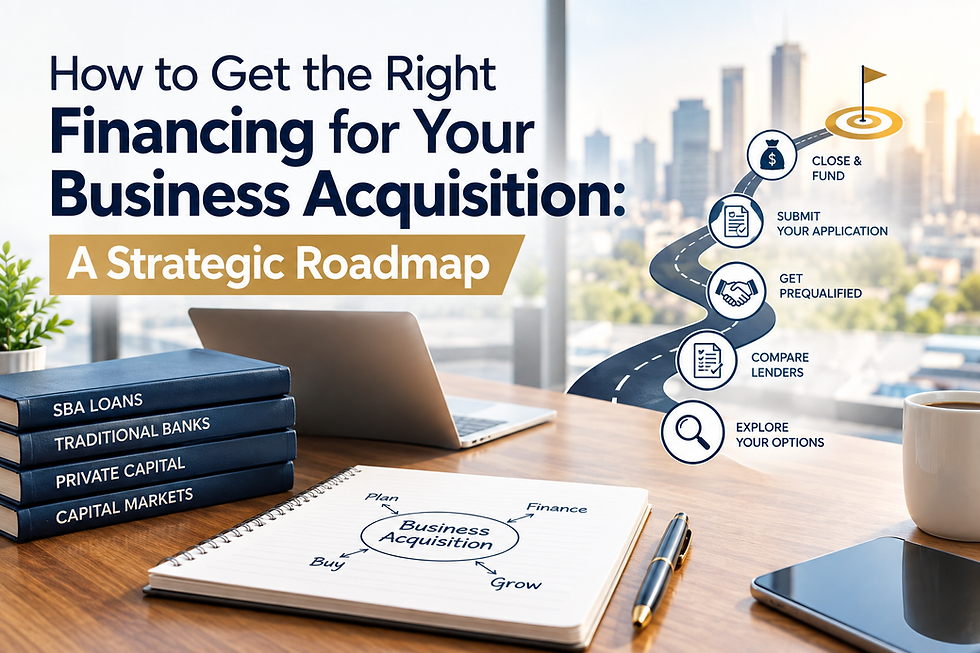
Don't expect this to happen overnight. Even with everything perfect, you're typically looking at 60-90 days from application to closing. Some deals take longer. This is why you can't wait until you've found your business to start thinking about financing. Smart acquirers get pre-qualified or at least understand their lending options before they're seriously negotiating a deal.
The underwriting process itself can take 30-45 days, depending on the complexity of the business. If there are any complications unusual financial patterns, environmental concerns, or industry specific issues add more time to that timeline.
What Actually Makes It Easier
Here's what I've seen tip the scales in favor of faster approvals and better terms. First, working with the right SBA loan lenders from the start saves you months of frustration. Not all lenders are created equal. Some specialize in acquisition capital and understand the nuances way better than others. Second, having a strong down payment 30% or more signals serious commitment and reduces lender risk significantly. Third, showing documented business experience makes everything smoother.
Another thing that helps? Targeting an established business with strong financials and a good track record. Lenders feel comfortable financing proven businesses with steady cash flow over struggling operations or startups disguised as acquisitions.
FAQ
Can I get an SBA acquisition loan with bad credit?
It's possible but harder. Most lenders want at least a 680 credit score, though some business acquisition lenders will work with lower scores if your business fundamentals are strong. You might just face higher interest rates or need a larger down payment.
How much of the purchase price can an SBA 7(a) loan cover?
Generally, the SBA will finance up to 80-90% of the business acquisition cost. You're responsible for 10-20%, sometimes up to 30% depending on the lender and your situation. This is non-negotiable, so make sure you have that capital ready.
What if I don't have business experience?
You're not automatically disqualified, but you'll need to strengthen your application other ways. This might mean getting a business partner with experience, hiring a consultant, or taking business management courses before applying. Showing that you've thought this through goes a long way.
How long does the SBA acquisition loan approval process actually take?
Realistically, 60-90 days if everything's in order. Longer if there are complications or if you're working with slower lenders. This is why getting connected with experienced business acquisition lenders early makes sense.
Is there really a difference between SBA lenders, or are they all the same?
Huge difference. Some specialize in acquisition financing and know this market inside out. Others treat acquisitions like any other small business loan. Working with lenders who've done dozens or hundreds of acquisitions means faster turnarounds and fewer surprises.
Ready to Pursue Your SBA Acquisition Loan?
Getting an SBA acquisition loan isn't particularly hard if you're prepared and realistic about the process. It's not quick, and it definitely requires your full attention and honest financial disclosure. But the program exists specifically to help people like you buy existing businesses and thousands succeed each year.
The key is understanding upfront what lenders want, getting your financial house in order, and working with knowledgeable business acquisition lenders who can guide you through the specifics. If you're serious about acquiring a business, start exploring your SBA financing options now. Connect with specialists at YAW Capital who understand acquisition financing inside and out and you'll find the process far less daunting than you imagined.

Comments